
RAKHI
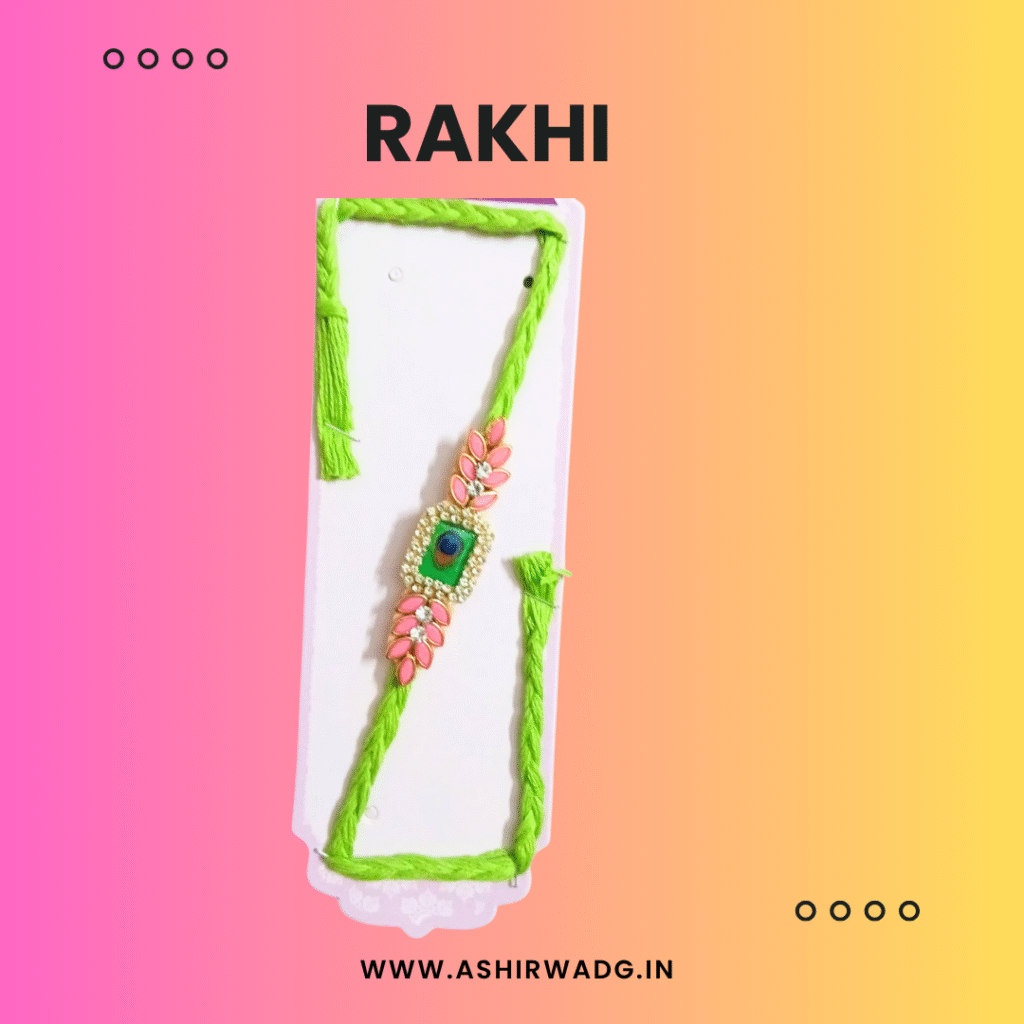
Raksha Bandhan, traditionally celebrated in India and among Hindu communities, is a festival that honors the bond between brothers and sisters. The sister ties a rakhi (sacred thread) on her brother’s wrist, praying for his well-being, while the brother gives her gifts and vows to protect her. While its core essence remains rooted in Hindu culture, Raksha Bandhan has evolved and is observed in diverse ways across different regions, communities, and even religions. Here’s how it’s celebrated differently across cultures:
- North India (Hindu Tradition) – Sisters perform an aarti (ritual of light), apply tilak (vermilion mark) on the brother’s forehead, and tie a rakhi.
- Western India – Rajputs celebrate by tying rakhis to swords or arms of warriors as a symbol of honor and loyalty.
- Maharashtra (Narali Purnima) – Raksha Bandhan coincides with Narali Purnima, when fishermen offer coconuts to the sea god for protection.
- South India – Tamil Nadu, Kerala, Andhra Pradesh may recognize it symbolically, especially among North Indian migrants.
- Eastern India – Tied with Shravani Purnima rituals.
- Nepal – Brahmins and Chettris change their sacred thread.
- Jainism – Jains celebrate Raksha Bandhan to honor the value of mutual protection and duty.
- Sikhism (Rakhardi or Rakhi Day) – Not a formal religious festival, but many Sikhs participate due to cultural overlap in Punjab.
- Muslim and Christian Participation – It’s common to see Muslim or Christian sisters tying rakhis to their Hindu friends or brothers, emphasizing unity and fraternity.
- Diaspora Celebrations (US, UK, Canada, Australia, etc.) – Emphasis on family Zoom calls, mailing rakhis, and inclusive practices where siblings of all genders and faiths participate
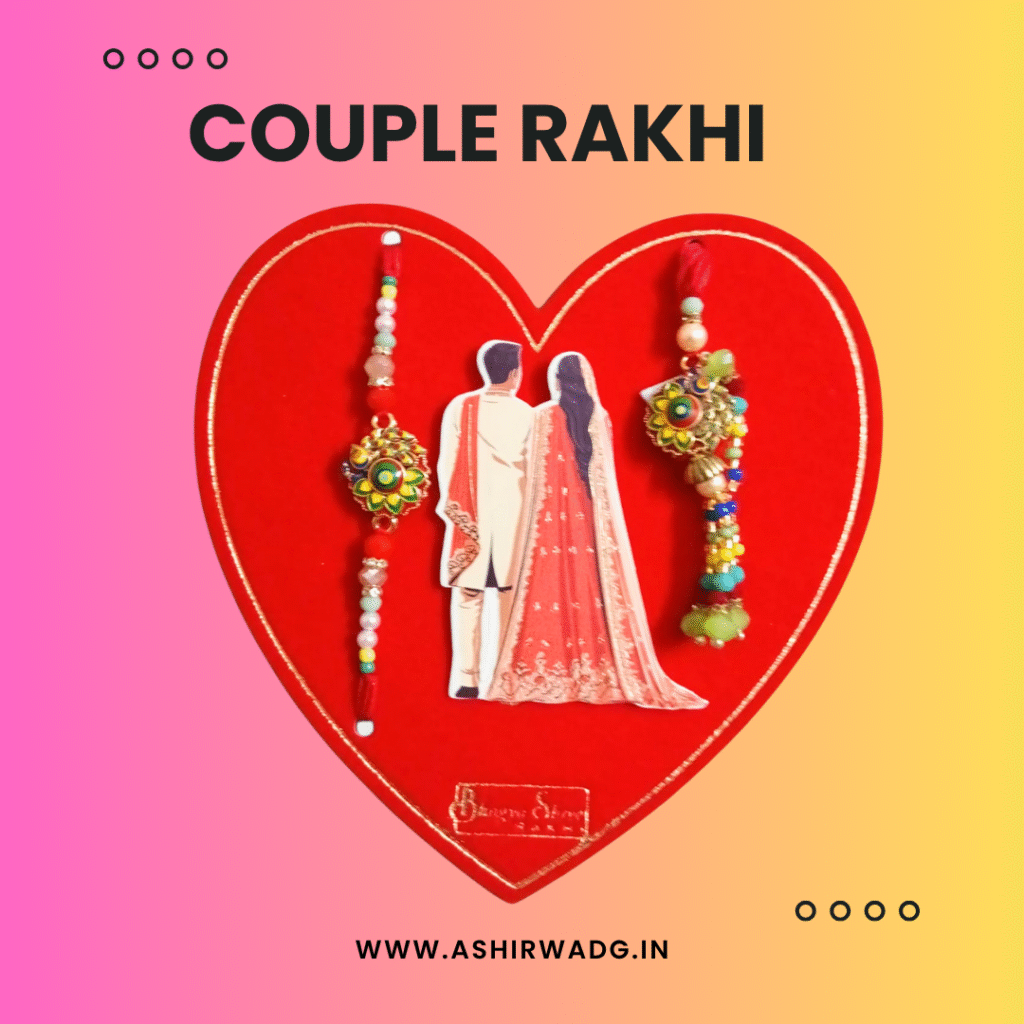
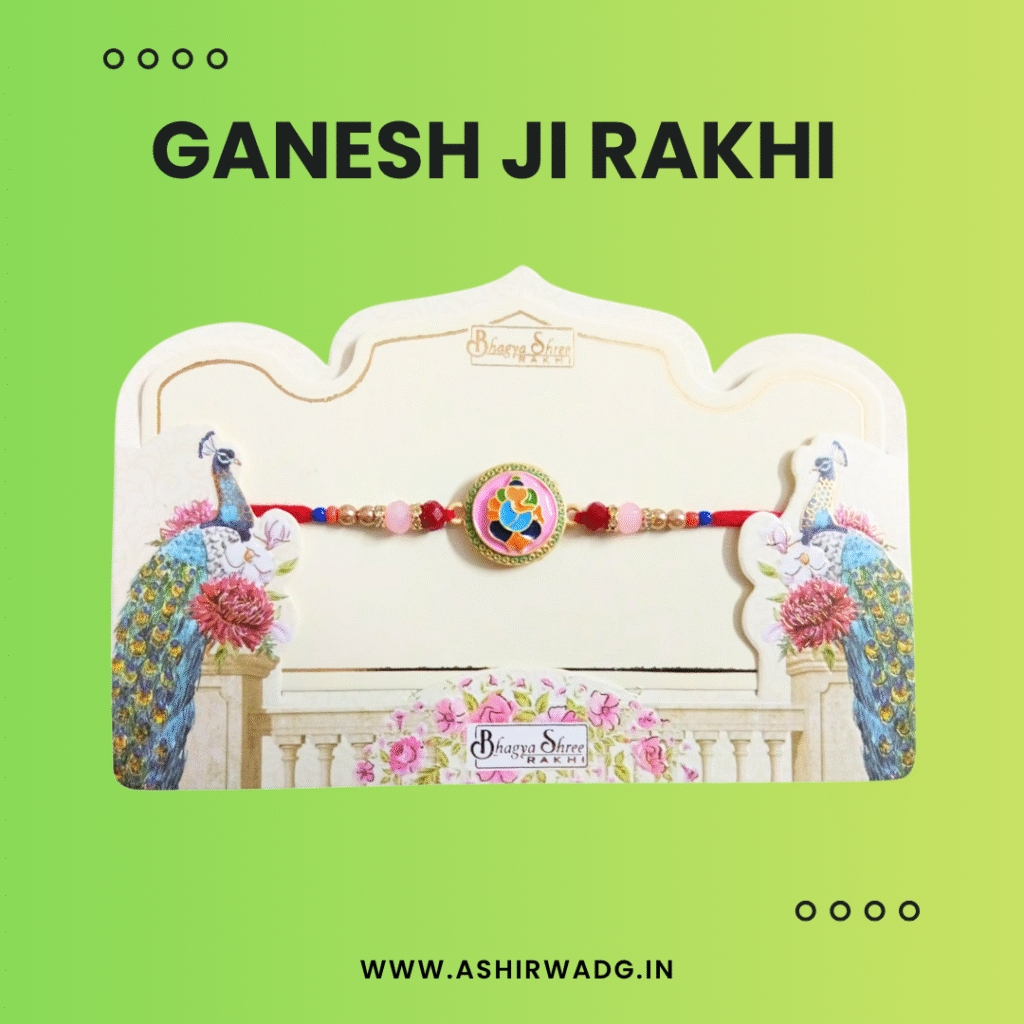
ashirwadg.in
Limited Edition | Bulk Orders Available | Handcrafted with Care
HERE CATALOG OF OUR SOME SOAN HAVE LOOK AND ORDER OR CALL US ON : +91 98731 80091
Many Products Are There Have a Look ashirwadg.in